
Same torque on paper.
Different story in the field.
Orbital or radial piston? The catalog numbers match — and that is exactly where the wrong decisions begin.
Welcome back to the THOTH Hydraulics newsletter. In our first issue, we walked through a real project — a concrete pump truck swing drive replacement. This time, we’re going one level deeper: the motor selection decision itself.
Two motors clear your torque requirement. The catalog numbers match. Most engineers stop there. The real selection criteria live somewhere else entirely.
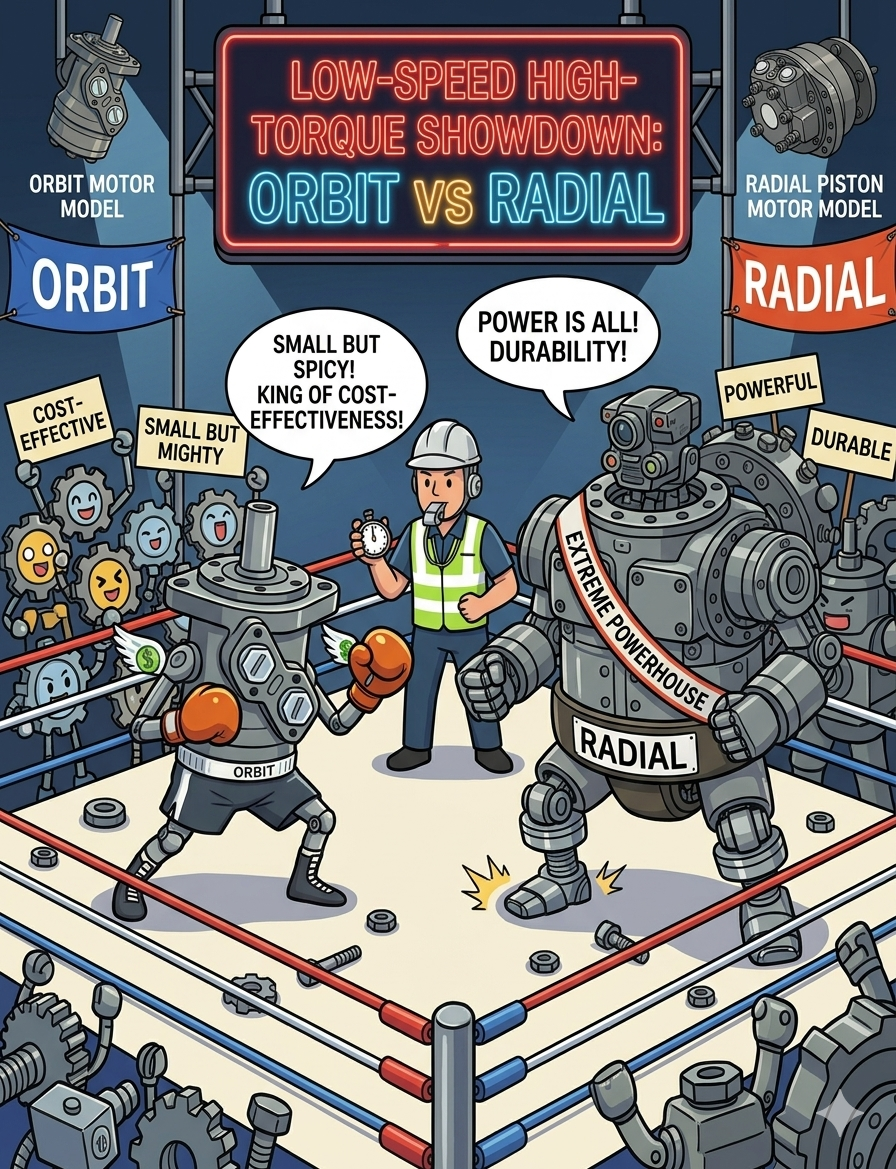
The structural difference that drives everything
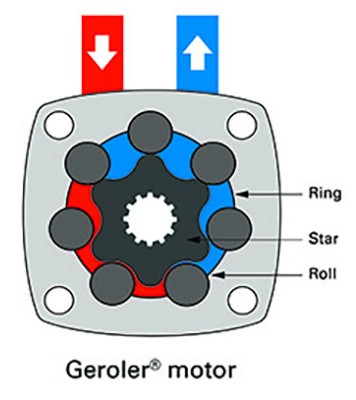
Orbital motors rely on a geroter & geroler gear set — an inner rotor and outer ring gear rotating together to convert hydraulic pressure into torque. The design is compact, mechanically simple, and cost-effective. In the 16–30 MPa operating range under intermittent load, volumetric efficiency sits at 85–92%. It’s well-suited to the job.
Push consistently beyond 30 MPa and the clearances that make the geroler work begin to work against it. Internal leakage compounds. Efficiency drops. The motor runs hotter. The degradation is gradual — until it isn’t.
Radial piston motors, by virtue of their piston / cam-roller contact mechanism, distribute load across multiple pistons — keeping unit contact stress low even under high-pressure, high-load conditions. Cases of 20,000+ service hours have been reported in the field under 24-hour continuous operation with repeated high-pressure shock loads.
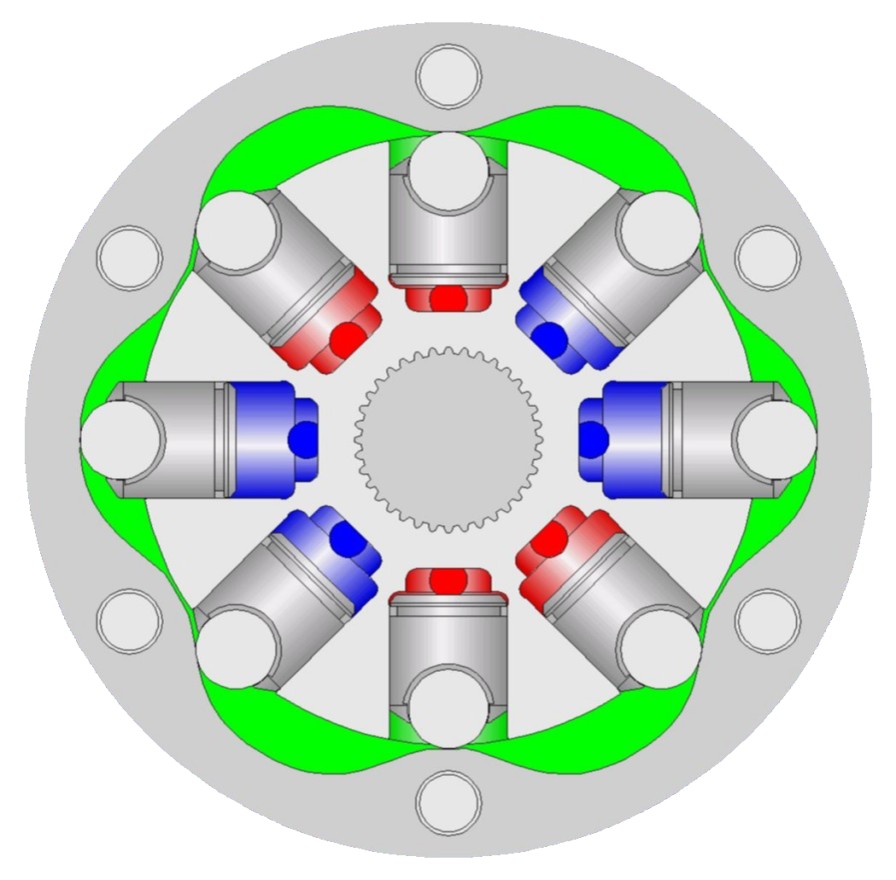
Radial piston motors distribute load across multiple pistons contacting a cam ring. The contact geometry is more complex, the manufacturing tolerance tighter — and the efficiency curve is flatter. At 35–42 MPa, mechanical efficiency holds at 88–93% across a wide speed and pressure range. That flatness matters more than the peak number.
16–30 MPa intermittent
35–42 MPa continuous
at equivalent displacement
Orbital — efficiency curve peaks under medium-low pressure.
Radial piston — efficiency curve flat across the full high-pressure range.
Duty cycle decides what pressure costs you
An orbital motor running 8–10 hours per day in intermittent cycles — swing drives, lift functions, auger drives — accumulates wear slowly. Between active periods, the motor cools and internal components recover. The geroler contact surface isn’t under sustained stress. Seal thermal cycling stays within design range. Service life is adequate.
Run the same motor continuously for 16 hours at the same operating pressure, and the calculation changes entirely. Without recovery periods, heat accumulates in the geroler gear set and seal assembly. The degradation doesn’t show up on a pressure gauge — it shows up at 8,000–10,000 hours, when the motor is already installed in a difficult-to-access location.
Intermittent operation
Geroler clearances stay within design range. Thermal cycling is manageable.
Continuous operation
Same pressure — sustained thermal load accelerates seal degradation and geroler wear.
Both motors at identical pressure (22 MPa). Service life reduction driven entirely by duty cycle.
Actual values vary by contamination level, fluid temperature, and installation conditions.
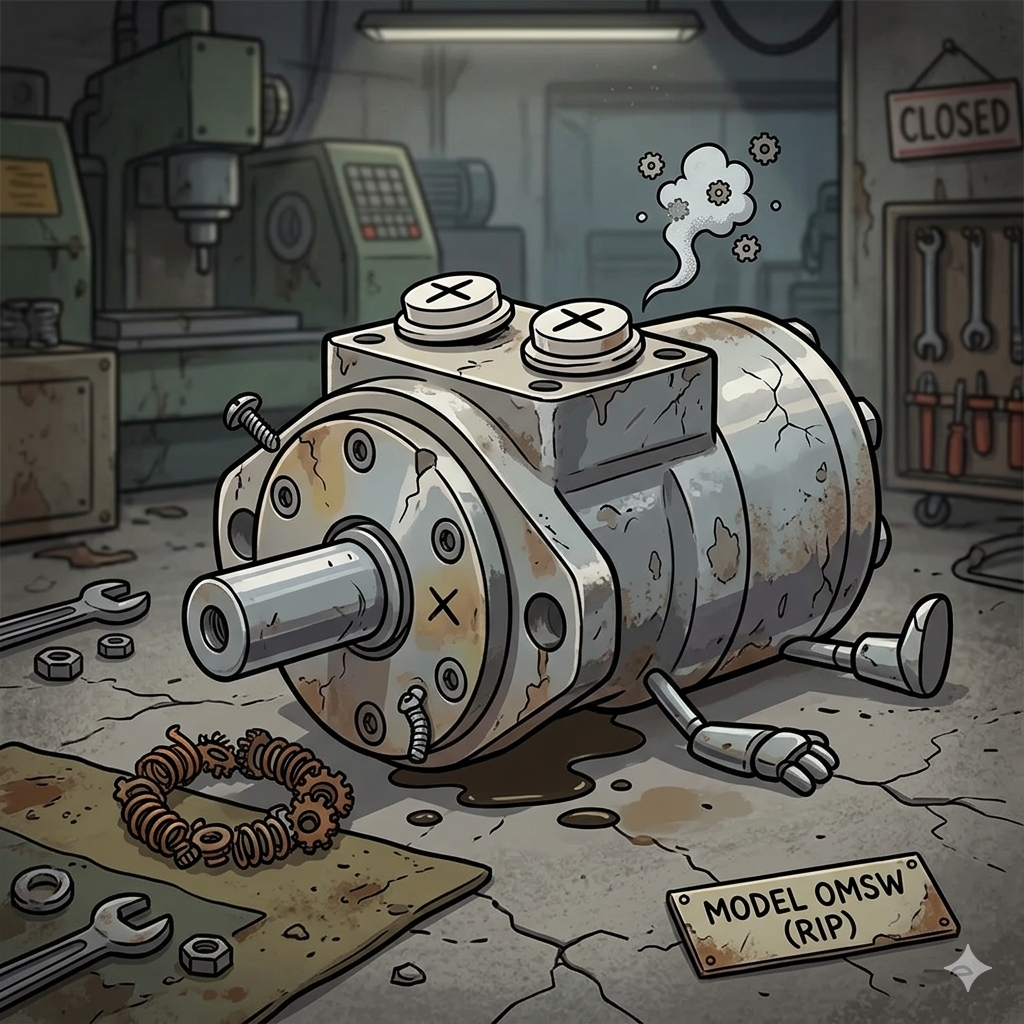
Radial piston motors are built for exactly that second scenario. Load distributed across multiple pistons means lower unit contact stress. Fluid contamination sensitivity is higher — ISO 4406 NAS 8 cleanliness or better is required — but for applications where stopping is expensive, the service life trade-off is clear.
TCO: where the decision reverses
TCO — Total Cost of Ownership. The full lifecycle cost of a component, not just its unit price: initial purchase + installation + maintenance + replacement labor + downtime over the equipment’s service life.
The unit price difference between orbital and radial piston motors is real — typically 2–4× at equivalent displacement. For intermittent, moderate-pressure applications, the orbital motor’s lower initial cost and simpler maintenance profile holds through a 5-year TCO calculation.
For high-pressure continuous operation, the crossover typically arrives around 18–24 months. A second motor replacement, plus field labor in a difficult installation, plus production downtime — the math changes.
Cumulative cost over time
The question isn’t which motor costs less. It’s which total cost is lower over the machine’s service life in your specific operating conditions.
Selection framework at a glance
A side-by-side reference for the operating profiles that determine the call.
| Orbital | Radial Piston | |
|---|---|---|
| Operating pressure | 16–30 MPa continuous | 30–42 MPa continuous |
| Duty cycle | Intermittent | Continuous |
| Contamination sensitivity | Lower | Higher (NAS 8 required) |
| Initial cost | Lower | 2–4× higher |
| TCO crossover | — | ~18–24 months at high-pressure continuous |
| Typical applications | Swing, auger, agricultural | Mining, marine winch, continuous industrial |
| ZI manufactures both — which is why the recommendation starts with your operating profile, not with the product catalog. | ||
Three selection cases from the field
Small excavator swing drive
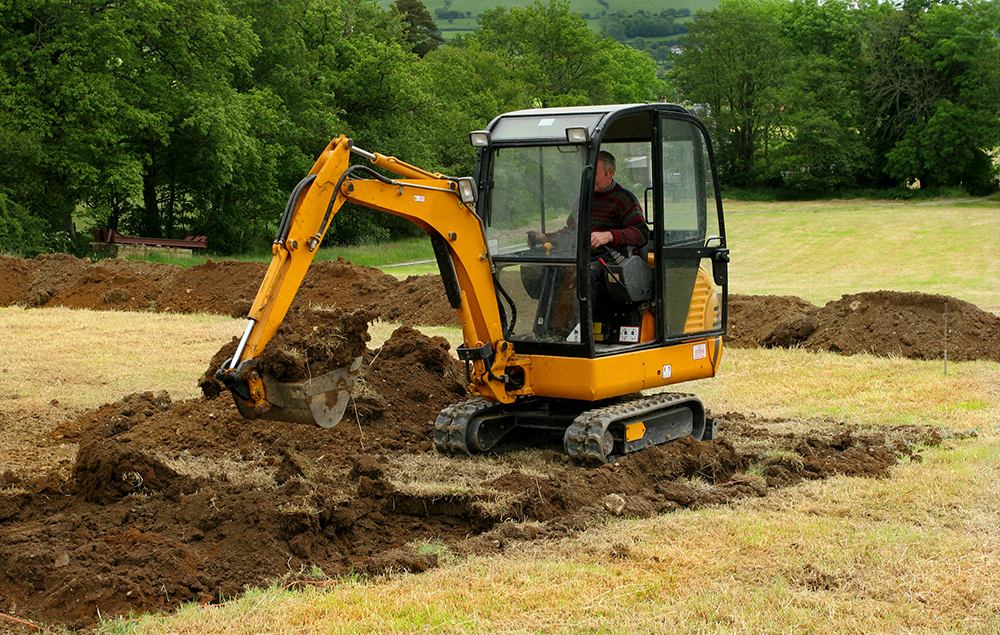
The working cycles on and off throughout the shift — the motor cools between operations, thermal load stays manageable, and wear accumulates slowly. Radial piston was over-specified for this duty profile. Orbital delivered the required torque with lower torque ripple, 30–40% lower unit cost, and 20% lower two-year maintenance cost.
Underground mining shuttle drive
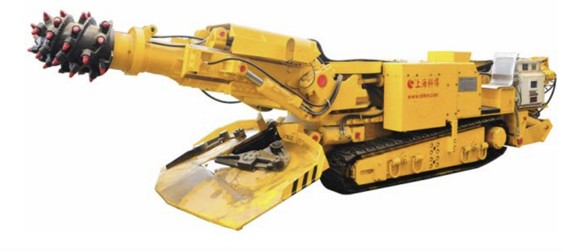
No rest periods — heat accumulates in the geroler assembly and seal system across the full shift. An orbital motor initially installed required replacement at 8,000–10,000 hours, and underground labor cost exceeded the motor unit price. Radial piston motors were retrofitted. Replacement interval extended beyond the equipment’s planned service cycle.
A third case sits a little apart — not a single selection, but an industry-wide shift in progress.
Skid steer loader — travel drive
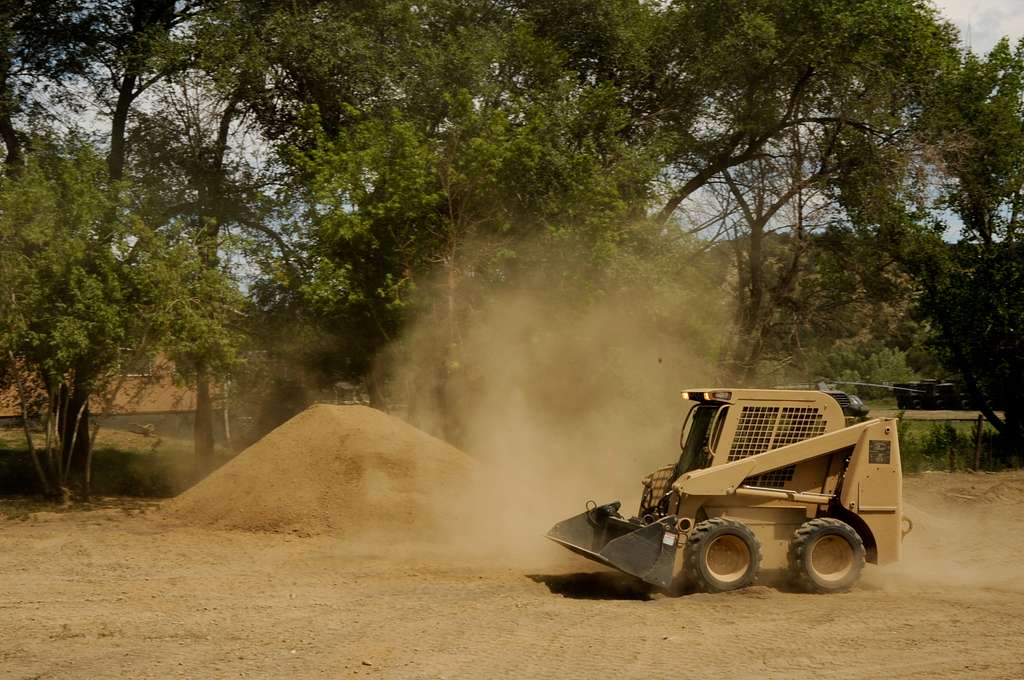
Historically, skid steer travel drives have run orbital motors — structurally simple, cost-competitive, adequate for lighter-duty equipment. As machine class moves up and torque demand rises, that calculation shifts. Radial piston motors are increasingly specified in the drive position for four reasons:
- Higher breakaway torque — moving a loaded machine from a dead stop demands instant torque under load.
- Better low-speed efficiency — matches the operating range a skid steer actually works in.
- Stable under heavy load — performance holds on rough terrain and during shock-loaded travel.
- Higher structural durability — drive motors take repeated cyclical and impact loads; radial piston tolerates them better.
Orbital remains common on lighter, entry-class equipment where unit price dominates the spec sheet. But on heavier machines, the trade reverses: from a cheaper motor to a motor that holds up. For applications where travel drive is the core function, torque, life, and stability outweigh initial unit cost.
A cheaper motor is not always a better choice.
Speaking as a manufacturer that designs and produces both motor families, one thing is worth saying plainly: a cheaper motor is not always a better choice.
A motor specification only becomes meaningful once the design conditions are defined — pressure range, daily operating hours, replacement accessibility, five-year TCO — and the selection is made against those, not against the catalog.
If you need a technical review of whether orbital or radial piston is the right fit for your specific application, the THOTH Hydraulics engineering team is available.
Questions about motor selection
for your application?
Reply to this email, or send your operating profile and we’ll come back with a specific recommendation — not a product brochure.
An introduction to one of ZI’s newly developed products — a closer look at the engineering behind it and the applications it was designed for.